WHAT IS LIKE A DISEASE PEERTUSSIS AND WHERE TO PREVENTION
 Pertussis
 (also known as
whooping cough or
100-day cough) is a highly contagious
bacterial disease.
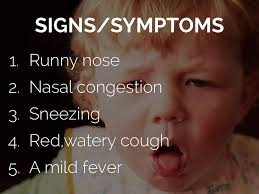
Initially, symptoms are usually similar to those of the
common cold with a
runny nose,
fever, and mild
cough.
This is then followed by weeks of severe coughing fits. Following a fit
of coughing, a high-pitched whoop sound or gasp may occur as the person
breathes in. The coughing may last for 10 or more weeks, hence the phrase "100-day cough". A person may cough so hard that they vomit,
break ribs, or become
very tired from the effort.Children less than one year old may have little or no cough and instead have
periods where they do not breathe. The time between infection and the onset of symptoms is usually seven to ten days. Disease may occur in those who have been vaccinated, but symptoms are typically milder.
Pertussis is caused by the bacterium
Bordetella pertussis. It is an
airborne disease which spreads easily through the coughs and sneezes of an infected person.People are infectious to others from the start of symptoms until about three weeks into the coughing fits. Those treated with
antibiotics are no longer infectious after five days. Diagnosis is by collecting a
sample from the back of the nose and throat. This sample can then be tested by either
culture or by
polymerase chain reaction.
Prevention is mainly by
vaccination with the
pertussis vaccine.Initial immunization is recommended between six and eight weeks of age,
with four doses to be given in the first two years of life.The vaccine becomes less effective over time, with additional doses often recommended for older children and adults.Antibiotics may be used to prevent the disease in those who have been exposed and are at risk of severe disease.
In those with the disease, antibiotics are useful if started within
three weeks of the initial symptoms, but otherwise have little effect in
most people. In children less than one year old and among those who are
pregnant, they are recommended within six weeks of symptom onset.
Antibiotics used include
erythromycin,
azithromycin,
clarithromycin, or
trimethoprim/sulfamethoxazole. Evidence to support interventions, other than antibiotics, for the cough is poor. Many children less than a year of age require hospitalization.
An estimated 16 million people worldwide are infected per year. Most cases occur in the
developing world, and people of all ages may be affected. In 2013, it resulted in 61,000 deaths – down from 138,000 deaths in 1990. Nearly 0.5% of infected children less than one year of age die.
Outbreaks of the disease were first described in the 16th century. The
bacterium that causes the infection was discovered in 1906. The
pertussis vaccine became available in the 1940s.
Signs and symptoms
The classic symptoms of pertussis are a
paroxysmal cough, inspiratory whoop, and
fainting, or
vomiting after coughing. The cough from pertussis has been documented to cause
subconjunctival hemorrhages,
rib fractures,
urinary incontinence,
hernias, and
vertebral artery dissection. Violent coughing can cause the
pleura to rupture, leading to a
pneumothorax.
Vomiting after a coughing spell or an inspiratory whooping sound on
coughing, almost doubles the likelihood that the illness is pertussis.
The absence of a paroxysmal cough or posttussive
emesis, though, makes it almost half as likely.
The illness usually starts with mild respiratory symptoms, mild coughing, sneezing, or a
runny nose. This is known as the
catarrhal
stage. After one to two weeks, the coughing classically develops into
uncontrollable fits, each with five to ten forceful coughs, followed by a
high-pitched "whoop" sound in younger children, or a gasping sound in
older children, as the person tries to inhale (
paroxysmal stage).
Coughing fits can occur on their own or can be triggered by yawning,
stretching, laughing, eating, or yelling; they usually occur in groups,
with multiple episodes on an hourly basis throughout the day. This stage
usually lasts two to eight weeks, or sometimes longer. A gradual
transition then occurs to the convalescent stage, which usually lasts
one to four weeks. This stage is marked by a decrease in paroxysms of
coughing, both in frequency and severity, and a cessation of vomiting. A
tendency to produce the "whooping" sound after coughing may remain for a
considerable period after the disease itself has cleared up.
Incubation period
The
time between exposure and the development of symptoms is on average 7–14 days (range 6–20 days),
[17] rarely as long as 42 days.
Cause
Pertussis is caused by the bacterium
Bordetella pertussis. It is an
airborne disease which spreads easily through the coughs and sneezes of an infected person.
Spread from animals
Uncertainties have existed of
B. pertussis and whooping cough as a
zoonotic disease since around 1910 but in the 1930s, knowledge was gained that the bacteria lost their
virulent power when repeatedly spread on
agar
media. This explained the difficulties to reproduce results from
different studies as the pre-inoculating handlings of the bacteria were
not standardized among scientists.
Today it is established that at least some
primate species are highly susceptible to
B. pertussis and develop clinical whooping cough in high
incidence when exposed to low inoculation doses.
The bacteria may be present in wild animal populations, but this is not
confirmed by laboratory diagnosis, although whooping cough is known
among wild
gorillas.Several
zoos also have a long-standing custom of vaccinating their primates against whooping cough.
Gram stain of Bordetella pertussis
A
complete blood count is usually ordered.
Lymphocytosis is a diagnostic clue for pertussis, although not specific.
Methods used in laboratory diagnosis include
culturing of nasopharyngeal swabs on a nutrient medium (
Bordet-Gengou medium),
polymerase chain reaction (PCR),
direct fluorescent antibody (DFA), and
serological methods (e.g.
complement fixation test).
The bacteria can be recovered from the person only during the first
three weeks of illness, rendering culturing and DFA useless after this
period, although PCR may have some limited usefulness for an additional
three weeks.
Serology may be used for adults and adolescents who have already been
infected for several weeks to determine whether antibody against
pertussis toxin or another virulence factor of
B. pertussis is present at high levels in the blood of the person.
By this stage, they have been contagious for some weeks and may have
spread the infection to many people. Because of this, adults, who are
not in great danger from pertussis, are increasingly being encouraged to
be vaccinated.
A similar, milder disease is caused by
B. parapertussis.
Prevention
The primary method of prevention for pertussis is
vaccination.
Evidence is insufficient to determine the effectiveness of antibiotics
in those who have been exposed, but are without symptoms.
Preventive antibiotics, however, are still frequently used in those who
have been exposed and are at high risk of severe disease (such as
infants).
Vaccine
Pertussis vaccines are effective at preventing illness and are recommended for routine use by the
World Health Organization and the
Centers for Disease Control and Prevention.The vaccine saved an estimated half a million lives in 2002.
The multicomponent
acellular pertussis vaccine is 71–85% effective, with greater effectiveness for more severe strains.Despite widespread vaccination, however, pertussis has persisted in
vaccinated populations and is today "one of the most common
vaccine-preventable diseases in Western countries".The 21st-century resurgences in pertussis infections are attributed to a
combination of waning immunity and bacterial mutations that elude
vaccines.
Immunization does not confer lifelong immunity; a 2011 CDC study
indicated that protection may only last three to six years. This covers
childhood, which is the time of greatest exposure and greatest risk of
death from pertussis.
An effect of widespread immunization on society has been the shift of
reported infections from children aged 1–9 years to infants,
adolescents, and adults, with adolescents and adults acting as
reservoirs for
B. pertussis and infecting infants with fewer than three doses of vaccine.
Infection induces incomplete
natural immunity that wanes over time.
A 2005 study said estimates of the duration of infection-acquired
immunity range from 7 to 20 years and the different results could be the
result of differences in levels of circulating
B. pertussis, surveillance systems, and case definitions used. The study said protective immunity after vaccination wanes after 4–12 years. Vaccination exemption laws appear to increase cases.
Both WHO and the CDC found that the acellular pertussis vaccines were
effective at prevention of the disease, but had a limited impact on
infection and transmission, meaning that vaccinated people could act as
asymptomatic reservoirs of infection.
Treatment

The antibiotics
erythromycin,
clarithromycin, or
azithromycin are typically the recommended treatment.Newer
macrolides are frequently recommended due to lower rates of side effects.
Trimethoprim-sulfamethoxazole (TMP/SMX) may be used in those with allergies to first-line agents or in infants who have a risk of
pyloric stenosis from macrolides.
A reasonable guideline is to treat people age >1 year within 3
weeks of cough onset and infants age <1 year and pregnant women
within 6 weeks of cough onset. If the person is diagnosed late,
antibiotics will not alter the course of the illness, and even without
antibiotics, they should no longer be spreading pertussis.Antibiotics when used early decrease the duration of infectiousness, and thus prevent spread.Short-term antibiotics (azithromycin for 3–5 days) are as effective as
long-term treatment (erythromycin 10–14 days) in eliminating
B. pertussis with fewer and less severe side effects.
People with pertussis are infectious from the beginning of the
catarrhal stage (a runny nose, sneezing, low-grade fever, symptoms of
the common cold) through the third week after the onset of paroxysms
(multiple, rapid coughs) or until 5 days after the start of effective
antimicrobial treatment.
Effective treatments of the
cough associated with this condition have not been developed.
Epidemiology
Worldwide, whooping cough affects 48.5 million people yearly.
One estimate for 2013 stated it resulted in about 61,000 deaths – down from 138,000 deaths in 1990. Another estimated 195,000 child deaths yearly from the disease worldwide. This is despite generally high coverage with the DTP and
DTaP vaccines. Pertussis is one of the leading causes of vaccine-preventable deaths worldwide.About 90% of all cases occur in developing countries.
Before vaccines, an average of 178,171 cases was reported in the
U.S., with peaks reported every two to five years; more than 93% of
reported cases occurred in children under 10 years of age. The actual
incidence
was likely much higher. After vaccinations were introduced in the
1940s, pertussis incidence fell dramatically to less than 1,000 by 1976.
Incidence rates have increased since 1980. In 2012, rates in the United
States reached a high of 41,880 people; this is the highest it has been
since 1955 when numbers reached 62,786.
Pertussis is the only vaccine-preventable disease that is associated
with increasing deaths in the U.S. The number of deaths increased from
four in 1996 to 17 in 2001, almost all of which were infants under one
year.In
Canada,
the number of pertussis infections has varied between 2,000 and 10,000
reported cases each year over the last ten years, and it is the most
common vaccine-preventable illness in
Toronto.
In 2009
Australia reported an average of 10,000 cases a year, and the number of cases had increased. In the U.S. pertussis in adults has increased significantly since about 2004.
US outbreaks
In 2010 ten infants in California died, and health authorities declared an epidemic encompassing 9,120 cases. They found that doctors had failed to correctly diagnose the infants' condition during several visits.Statistical analysis identified significant overlap in communities with
a cluster of nonmedical child exemptions and cases. The number of
exemptions varied widely among communities, but tended to be highly
clustered. In some schools, more than three-fourths of parents filed for
vaccination exemptions. The data suggest vaccine refusal based on
nonmedical reasons and personal belief exacerbated the outbreak. Other
factors included reduced duration of the current vaccine and that most
vaccinated adults and older children had not received a booster shot.
In April and May 2012 pertussis was declared to be at epidemic levels in Washington, with 3,308 cases. In December 2012 Vermont declared an epidemic of 522 cases. Wisconsin had the highest incidence rate, with 3,877 cases, although it did not make an official epidemic declaration.
History
Discovery
B. pertussis was discovered in 1906 by
Jules Bordet and
Octave Gengou, who also developed the first serology and vaccine. Efforts to develop an inactivated whole-cell vaccine began soon after
B. pertussis was cultured that year. In the 1920s,
Louis W. Sauer developed a weak vaccine for whooping cough at
Evanston Hospital (Evanston, IL). In 1925 Danish physician Thorvald Madsen was the first to test a whole-cell vaccine on a wide scale.Madsen used the vaccine to control outbreaks in the
Faroe Islands in the North Sea.
Vaccine
In 1932 an outbreak of whooping cough hit
Atlanta, Georgia, prompting pediatrician
Leila Denmark to begin her study of the disease. Over the next six years her work was published in the
Journal of the American Medical Association, and in partnership with
Emory University and
Eli Lilly & Company, she developed the first pertussis vaccine. In 1942 American scientists Grace Eldering,
Loney Gordon, and
Pearl Kendrick combined the whole-cell pertussis vaccine with
diphtheria and
tetanus toxoids to generate the first DTP combination vaccine.
To minimize the frequent side effects caused by the pertussis
component, Japanese scientist Yuji Sato developed an acellular vaccine
consisting of purified haemagglutinins (HAs: filamentous
strep throat and
leucocytosis-promoting-factor HA), which are secreted by
B. pertussis. Sato's acellular pertussis vaccine was used in Japan starting in 1981. Later versions of the acellular vaccine in other countries consisted of additional defined components of
B. pertussis and were often part of the
DTaP combination vaccine.
Controversy
In the 1970s and 1980s, a controversy erupted related to the question
of whether the whole-cell pertussis component caused permanent brain
injury in rare cases, called pertussis vaccine
encephalopathy.
Despite this allegation, doctors recommended the vaccine due to the
overwhelming public health benefit, because the claimed rate was very
low (one case per 310,000 immunizations, or about 50 cases out of the 15
million immunizations each year in the United States), and the risk of
death from the disease was high (pertussis killed thousands of Americans
each year before the vaccine was introduced).
No studies showed a causal connection, and later studies showed no
connection of any type between the DPT vaccine and permanent brain
injury. The alleged vaccine-induced brain damage proved to be an
unrelated condition, infantile
epilepsy. In 1990, the
Journal of the American Medical Association called the connection a "myth" and "nonsense".
However, before that point, criticism of the studies showing no connection and a few well-publicized
anecdotal reports of permanent disability that were blamed on the DPT vaccine gave rise to 1970s anti-DPT movements.
Negative publicity and fear-mongering caused the immunization rate to
fall in several countries, including the UK, Sweden, and Japan. A
dramatic increase in the incidence of pertussis followed.
In the United States, low profit margins and an increase in
vaccine-related lawsuits led many manufacturers to stop producing the
DPT vaccine by the early 1980s. In 1982, the television documentary
DPT: Vaccine Roulette depicted the lives of children whose severe disabilities were incorrectly blamed on the DPT vaccine by reporter
Lea Thompson. The ensuing negative publicity led to many
lawsuits against vaccine manufacturers. By 1985, vaccine manufacturers had difficulty obtaining
liability insurance.
The price of DPT vaccine skyrocketed, leading providers to curtail
purchases, limiting availability. Only one manufacturer remained in the
US by the end of 1985. To correct the situation, Congress in 1986 passed
the
National Childhood Vaccine Injury Act (NCVIA), which established a federal
no-fault system to compensate victims of injury caused by mandated vaccines.The majority of claims that have been filed through the NCVIA have been
related to injuries allegedly caused by the whole-cell DPT vaccine.
The concerns about side effects led Sato to introduce an even safer
acellular vaccine for Japan in 1981 that was approved in the US in 1992
for use in the combination DTaP vaccine. The acellular vaccine has a
rate of adverse events similar to that of a Td vaccine (a
tetanus-
diphtheria vaccine containing no pertussis vaccine).
The complete
B. pertussis genome of 4,086,186 base pairs was published in 2003.


